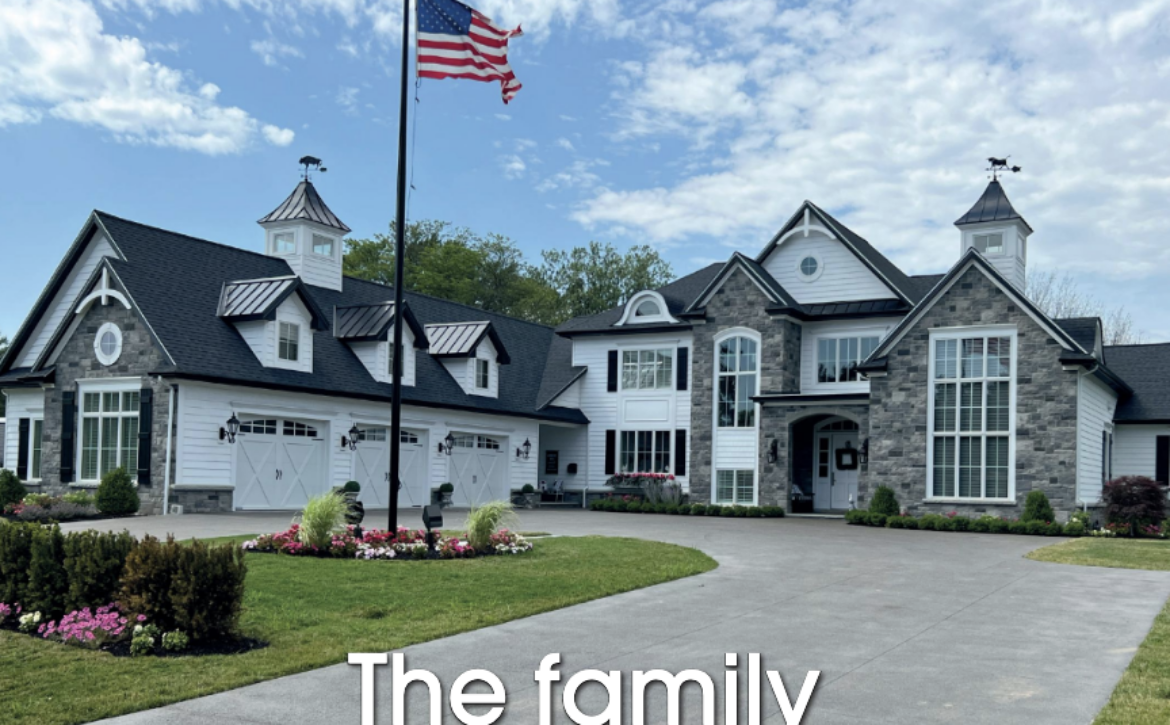
Dream Home Estimate

Name*

Category: Custom Home Builders

Common Problems When Building A Custom Home In San Antonio

Common Problems When Building A Custom Home In San Antonio

Building a custom home is a dream for many people. It allows you to create a living space that is tailored to your needs and preferences, and can be a reflection of your personal style. However, building a custom home can also be a challenging and complicated process, with several potential problems that can arise. In this article, we’ll explore some of the common problems that can occur when building a custom home.

  1. Budgeting Issues

One of the most significant challenges of building a custom home is staying within your budget. The process of building a custom home can be expensive, and costs can quickly spiral out of control if you’re not careful. It’s essential to work with a reputable builder who can help you create a realistic budget and stick to it throughout the project. You should also consider setting aside some extra money for unexpected expenses that may arise.

  1. Permits and Zoning Issues

Building a custom home often requires permits and approvals from local government agencies. This process can be time-consuming and frustrating, as the rules and regulations vary from location to location. It’s crucial to do your research and work with a builder who has experience navigating the permit and zoning process.

  1. Construction Delays

Construction delays are common in any building project, and building a custom home is no exception. Delays can be caused by weather, material shortages, contractor availability, or a range of other factors. It’s important to work with a builder who has a solid track record of completing projects on time and within budget, but it’s also essential to be prepared for the possibility of delays.

  1. Design Issues

Designing a custom home is an exciting process, but it can also be challenging. It’s important to work with an architect or designer who understands your vision and can help you bring it to life. However, even the best-designed plans can run into issues during construction, such as unforeseen structural challenges or changes in local building codes. It’s essential to work with a builder who can help you navigate these challenges and find solutions that meet your needs.

  1. Quality Control

Finally, it’s important to ensure that the finished product meets your expectations in terms of quality. This means working with a builder who uses high-quality materials and pays attention to detail throughout the construction process. It’s also essential to conduct regular inspections and communicate any concerns to your builder as soon as possible.

In conclusion, building a custom home can be a rewarding and exciting experience, but it’s important to be aware of the potential challenges that can arise. By working with a reputable builder and being prepared for the possibility of delays and other issues, you can create a home that meets your needs and exceeds your expectations.

San Antonio, Texas, USA Drone Skyline Aerial Panorama

What to Expect When Building a Custom Home in San Antonio, Texas

What to Expect When Building a Custom Home in San Antonio, Texas

Building a custom home in San Antonio is a rewarding experience—offering a unique opportunity to design a space tailored to your lifestyle and preferences. From choosing a lot in the Texas Hill Country to finalizing design details that fit the region’s climate and culture, the process involves many key decisions. Here’s what you can expect along the way:

1. Choosing the Right Lot

San Antonio offers a variety of landscapes, from scenic hilltop views to quiet suburban communities. Your lot choice will influence your design, budget, and access to city services. Consider proximity to schools, commute times, HOA rules, and utility availability. Soil conditions and topography can also impact foundation costs, so a site evaluation is often recommended before purchase.

2. Selecting a Custom Home Builder

Partnering with an experienced local builder is critical. San Antonio has a mix of boutique firms and high-end custom builders. Look for one with a solid track record, proper licensing, and deep knowledge of local building codes. Ask for references and view previous projects. A good builder will help navigate zoning, permits, and inspections, making the process smoother from start to finish.

3. Designing Your Dream Home

This is where your vision takes shape. You’ll work with architects and designers to define floor plans, room sizes, finishes, and exterior style. In San Antonio, many homeowners opt for designs that blend modern convenience with traditional Texas elements—such as stucco exteriors, tile roofs, spacious porches, and energy-efficient layouts suited to the South Texas heat.

4. Permitting and Approvals

Before construction begins, your builder must obtain permits from the City of San Antonio or Bexar County, depending on location. This step ensures your project complies with building codes, environmental rules, and zoning laws. In some neighborhoods, you may also need architectural approval from a homeowners’ association.

5. Construction Timeline and Milestones

Custom home builds typically take 8 to 14 months, depending on complexity, weather, and permitting. Here’s a rough breakdown:

  • Site prep and foundation: 1–2 months
  • Framing and roof installation: 1–2 months
  • Plumbing, electrical, HVAC: 1–2 months
  • Drywall, insulation, and finishes: 2–4 months
  • Final inspections and punch list: 1 month

Regular site visits and communication with your builder help ensure everything stays on track.

6. Budgeting and Financing

Custom homes in San Antonio can vary widely in cost, from $200 to over $500 per square foot depending on location, materials, and complexity. Many homeowners use a construction loan that converts to a traditional mortgage once the home is complete. Include contingency funds for unexpected costs—like material price increases or site prep issues.

7. Energy Efficiency and Local Considerations

Given San Antonio’s hot summers and occasional freezing winters, energy efficiency is key. Insulated windows, radiant barriers, and high-efficiency HVAC systems can reduce utility costs. Also consider water conservation strategies like drought-tolerant landscaping and low-flow fixtures—important in this semi-arid region.

8. Moving In and Warranty Period

Once construction is complete and the final inspection is passed, you’ll receive a certificate of occupancy and can move in. Most custom builders offer a warranty period for workmanship and materials—usually one to two years—so any minor issues post-move-in can be addressed.

Final Thoughts

Building a custom home in San Antonio is both a financial investment and a personal journey. With the right planning, team, and mindset, the result is a one-of-a-kind space tailored to your family and lifestyle—something that’s uniquely yours, in the heart of Texas.

Best Home Builder in San Antonio Nominee: Bayless Custom Homes

Bayless Custom Homes is honored to be nominated as the Best Home Builder in San Antonio.


Read more information here:

If you’re planning to build a new home in San Antonio, finding reputable builders in San Antonio is essential. Thankfully, the city has many experienced and knowledgeable local builders. To help you move along in your new construction plans, we’ve compiled this list of the best builders in San Antonio, featuring the winners and finalists of the most recent YourSA readers’ choice “Custom Home Builder” and “Home Builder” categories. Whether you want to be actively involved in the design process or prefer a move-in-ready home, you’re likely to find the right pros for you here.

Continue Reading

Understanding the Role of an Architect vs. Builder

Understanding the Role of an Architect vs. Builder

When starting a construction project—whether it’s a dream home, a commercial space, or a remodel—many people confuse the roles of an architect and a builder. While both professionals are essential to the success of a project, their responsibilities, training, and areas of focus are distinctly different. Understanding what each one does can help you navigate your construction journey more smoothly and make informed decisions from concept to completion.

What Does an Architect Do?

An architect is a licensed design professional who focuses on the planning and conceptual side of a building project. Their main responsibility is to transform your vision and needs into a functional and aesthetically pleasing design. Architects work closely with clients to understand lifestyle, space requirements, and budget, translating those factors into blueprints and technical drawings.

Key Responsibilities:

  • Design & Planning: Architects create the initial concept and design of a building, ensuring it aligns with both client goals and regulatory codes.
  • Technical Drawings: They prepare detailed architectural plans used for permitting and construction.
  • Coordination: Architects often coordinate with engineers, interior designers, and consultants to ensure structural integrity, sustainability, and utility efficiency.
  • Code Compliance: Architects ensure designs meet local zoning laws, building codes, and safety regulations.

In short, the architect is the visionary who sets the framework for what the building will become.

What Does a Builder Do?

A builder (or general contractor) takes the architect’s plans and turns them into reality. They manage the day-to-day construction process, hire and coordinate subcontractors, procure materials, and ensure the project stays on schedule and within budget.

Key Responsibilities:

  • Project Management: Builders oversee the construction site, schedule inspections, and supervise subcontractors such as electricians, plumbers, and framers.
  • Cost Estimation: They provide detailed cost estimates and manage the construction budget.
  • Permitting & Inspections: Builders often handle obtaining necessary permits and coordinate with local authorities for inspections.
  • Quality Control: Ensuring craftsmanship, safety standards, and code compliance are met during construction.

In essence, the builder is the hands-on expert who brings the design to life.

How They Work Together

Architects and builders often collaborate throughout a project. While their skill sets differ, their partnership is key to a successful outcome. Communication between the two helps resolve unforeseen issues during construction and ensures that the final product matches the original design intent.

In some cases, clients opt for design-build firms, which combine architectural design and construction under one roof. This approach can streamline communication and reduce missteps, but it’s important to ensure both design quality and construction standards remain high.

Choosing the Right Professionals

Selecting the right architect and builder for your project depends on its size, complexity, and your personal preferences. Look for:

  • Proven experience with similar projects
  • Positive client testimonials
  • Strong communication skills
  • Transparent pricing and process

It’s also essential to ensure that both are properly licensed and insured.

Final Thoughts

Understanding the difference between an architect and a builder can save you time, money, and stress. While the architect lays the creative and technical foundation, the builder brings that vision into physical form. Each plays a crucial role in delivering a space that’s both beautiful and built to last. Whether you’re designing a custom home or renovating a commercial space, investing in the right team makes all the difference.

HOW DO YOU CHOOSE A CUSTOM HOME BUILDER?

Considerations When Choosing a Home Builder. A home is the largest investment you’ll ever make, so it’s prudent to want to choose your builder with care.